
Dr. Vivekanand

Hair Transplant And Restoration In Bangalore

Hair loss is among the most common aesthetic concerns worldwide.
Studies estimate that over 70% of men and 50% of women experience noticeable hair thinning or baldness during their lifetime.

While hair loss itself isn’t life-threatening, it can deeply affect self-image and confidence — often making individuals appear older than they are. The challenge is that the market today is flooded with unverified solutions, over-the-counter “miracle cures,” and aggressive marketing that promise instant results but fail to address the real cause.

At Dr. Vivekanand Bhat’s studio, we believe in ethical, science-backed hair restoration. Every treatment plan is designed after assessing the type, cause, and extent of hair loss — ensuring realistic expectations and natural results.

Male Hair Loss

About 50% of men experience some form of androgenetic alopecia (male-pattern baldness), often beginning in their late teens or twenties.

Primary causes:

  • Genetic predisposition: Passed down from either parent.
  • Hormonal changes: The hormone Dihydrotestosterone (DHT) gradually miniaturises hair follicles on the top and front of the scalp.
  • Age & stress factors: Accelerate follicle shrinkage and shedding.

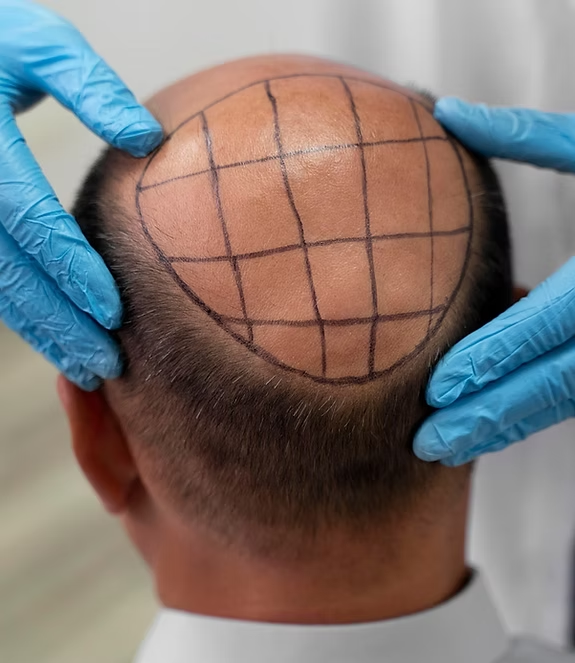
The safe donor area (back and sides of the scalp) is naturally resistant to DHT and forms the foundation for permanent hair restoration through transplantation.Early diagnosis is key. The sooner treatment begins, the more existing hair can be preserved and strengthened.

Female Hair Loss

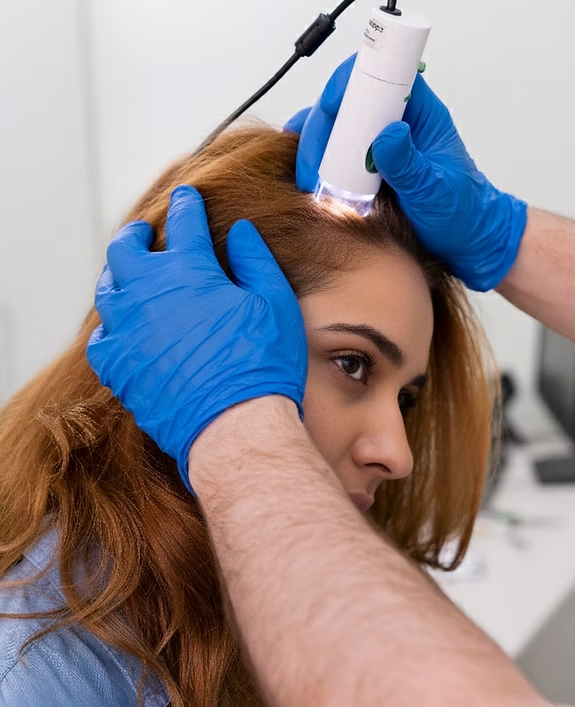
Female hair loss, or female-pattern alopecia, is equally distressing and often overlooked.
It is usually characterised by diffuse thinning, rather than bald patches, and can cause significant emotional and psychological distress.

Common causes include:

  • Genetic inheritance from either parent.
  • Hormonal imbalances, especially related to Polycystic Ovary Syndrome (PCOS), thyroid disorders, or post-partum changes.
  • Stress, nutritional deficiencies, or use of harsh chemical treatments.

The hair cycle in women alternates between growth (anagen) and resting (telogen) phases. When the growth phase shortens, overall volume decreases. Treatments for women aim to strengthen active follicles, reactivate dormant ones, and restore density — medically or surgically, depending on stability.

Who Can Benefit From Hair Restoration?

You may be an ideal candidate if you:

  • Have stable hair loss for at least 6–12 months.
  • Have adequate donor hair on the back or sides of your head.
  • Experience hair loss due to genetics, ageing, or previous surgery.
  • Are looking for permanent, natural-looking results rather than temporary coverage.

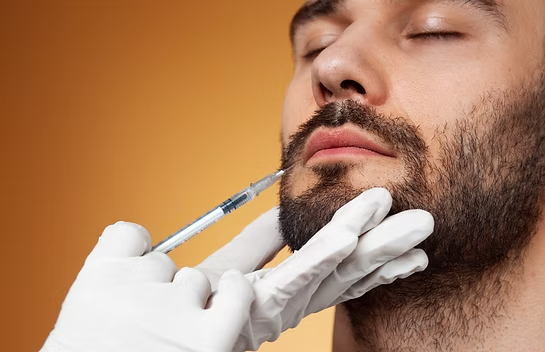
Hair restoration isn’t limited to the scalp — it can also be used for beard, moustache, eyebrow, and sideburn reconstruction.

Treatment Options: Medical Vs Surgical

Medical (Non-Surgical) Hair Restoration

Best suited for early-stage or active hair loss, where the goal is to preserve existing hair and slow further loss.

We offer:

  • Advanced Growth Factor Therapy
  • Stem-cell-derived serums that improve scalp health.
  • Prescription medications such as Minoxidil and Finasteride (for men) or topical anti-androgens (for women).
  • Low-level laser therapy to stimulate blood flow and follicle activity.
  • Nutraceuticals & scalp treatments for comprehensive care.

These methods improve density and texture and often prepare the scalp for future transplantation.

Surgical Hair Transplantation

For individuals with stable hair loss and sufficient donor hair, surgery offers permanent, natural-looking restoration. Dr. Vivekanand Bhat has been performing hair transplantation since the late 1990s, trained under renowned experts such as Dr. Russell Knudsen (Australia) and Dr. Yves Crassas (France). He was among the first few doctors in India to adopt the FUE (Follicular Unit Extraction) technique and refine the Neograft automated system, providing faster recovery and superior results. Techniques We Offer

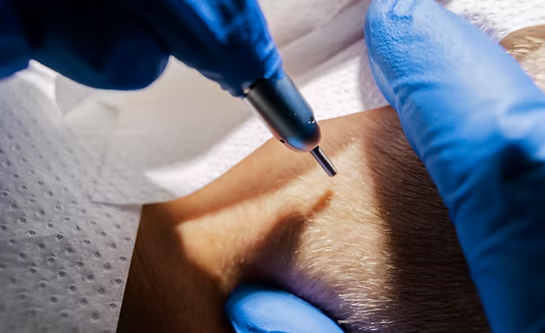
  • Individual follicles are extracted using micro-punches and implanted into thinning areas.
  • No linear scar, minimal downtime, and almost painless recovery.
  • A thin strip of scalp is removed from the donor area, dissected under a microscope, and implanted.
  • Allows a large number of grafts in one session.
  • Suitable for patients requiring maximum coverage.
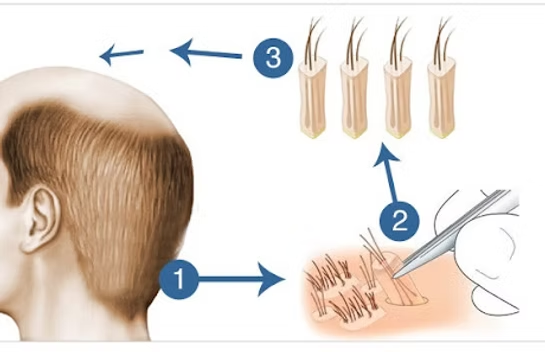
  • Additional donor sources used when scalp supply is limited.
  • Hair texture matched carefully for natural appearance.
Looking for a more advanced version of FUE?

Sapphire Bio FUE uses ultra-fine punches and sapphire blades to achieve higher graft survival, better density, and faster healing.

Read more about Sapphire Bio FUE Hair Transplant in Bangalore

Staged Harvesting Technique

To preserve donor density, Dr. Bhat advocates Staged Harvesting, which allows:

  • Gradual extraction to minimise visible thinning.
  • Preservation of follicles for potential future sessions.
  • Improved aesthetic outcome and flexibility in cost and scheduling.
  • Continuous monitoring of progress between sittings (typically 6–12 months apart).

Our Expertise

With over 28 years of surgical experience, Dr. Vivekanand Bhat is one of the pioneers of advanced hair restoration in India. He trained internationally under leaders like Dr. Russel Knudsen and Dr. Yvess Crassas and was among the first in India to introduce Neograft automated FUE.

Thousands of successful transplants later, his focus remains the same:

  • Safe procedures

  • Natural results

  • Long-term hair density

Why Choose Dr. Vivekanand Bhat

Experienced

28 years of surgical experience and global training.

Automated FUE & Neograft

among India’s first to perform automated FUE and Neograft procedures.

Microscopic Precision

in follicular dissection for undetectable results.

Natural Hairline Design

focus on natural hairline design, proper angulation, and density.

Ethical Counselling

no over-harvesting or unrealistic promises.

Comprehensive Approach

from diagnosis to post-op care and maintenance.
“Our goal is not just to give you more hair — it’s to make you feel like yourself again.”

Results & Recovery

Transplanted hair follows a natural growth cycle:

  • Shedding Phase (0–3 months): Transplanted hair falls as follicles enter resting mode.
  • Regrowth Phase (3–6 months): New, finer hair begins to grow.
  • Maturation Phase (9–18 months): Hair thickens and achieves final density.

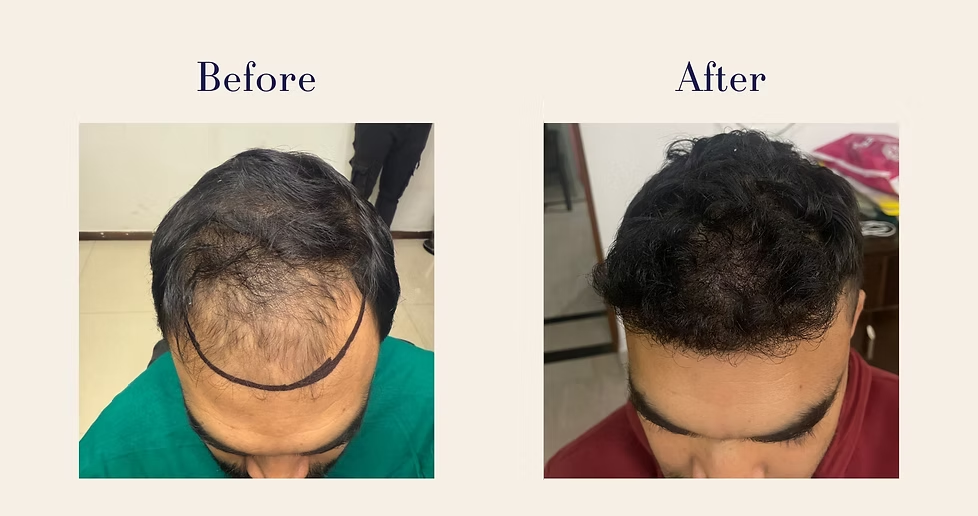
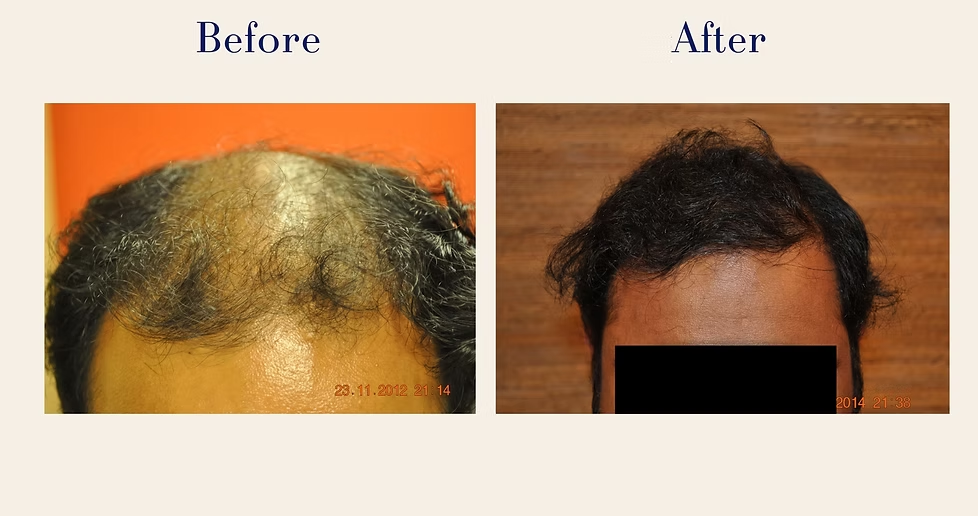
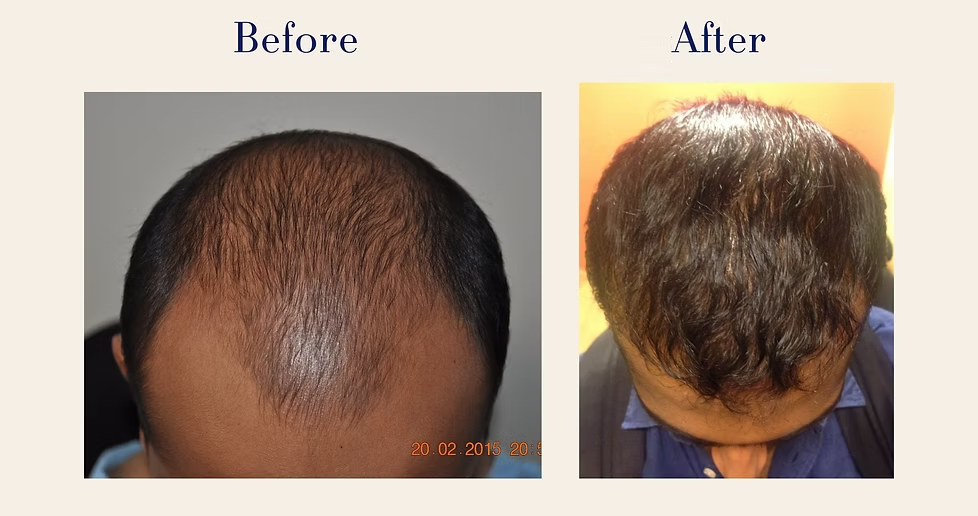
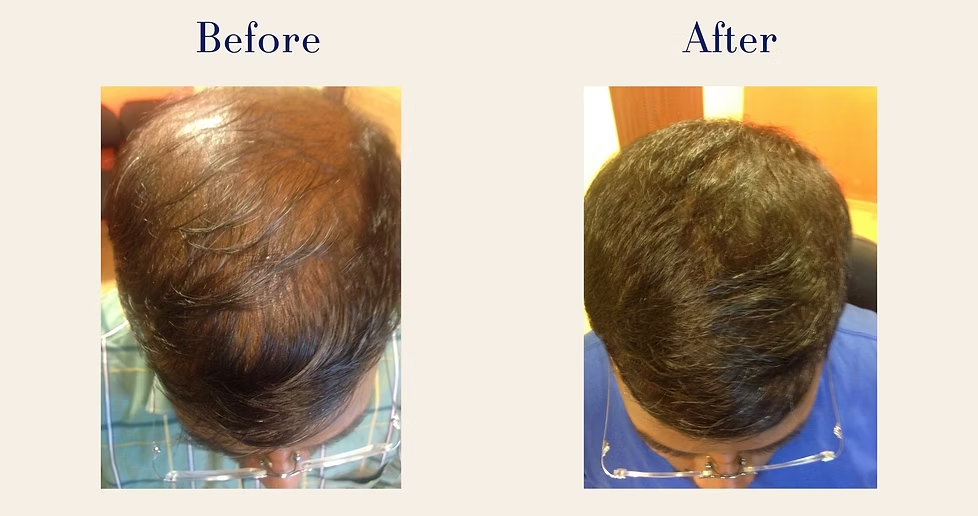
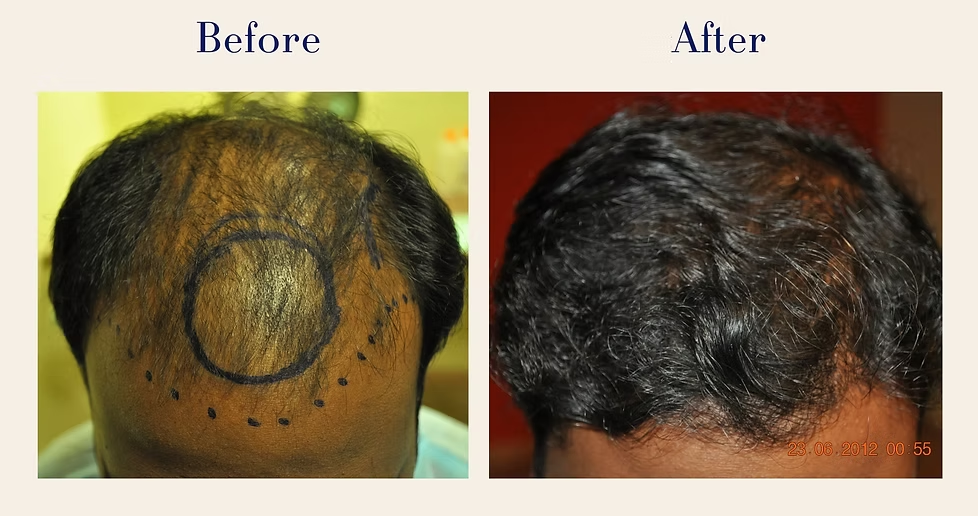
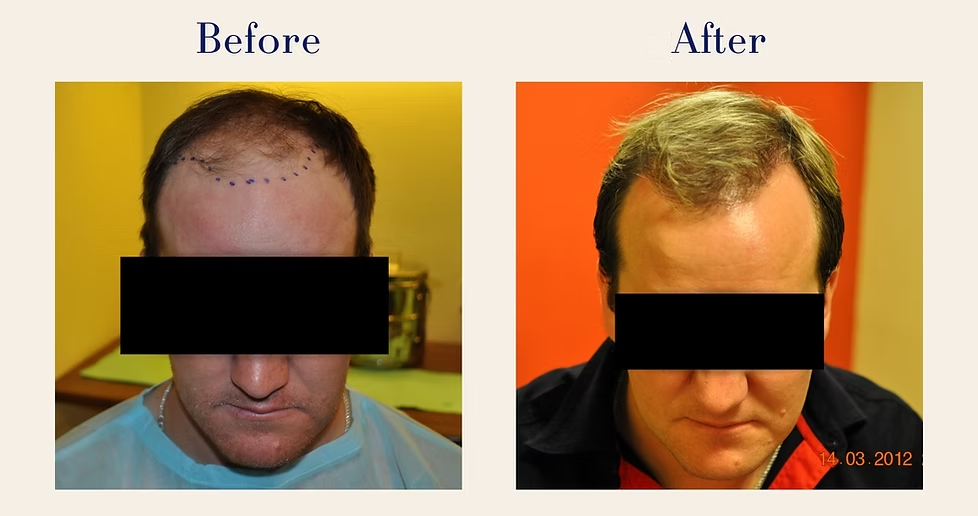
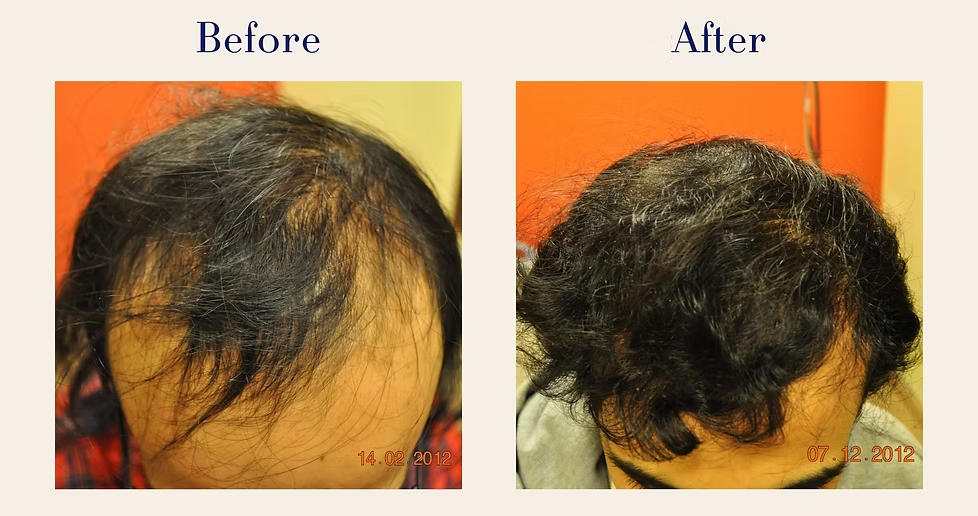
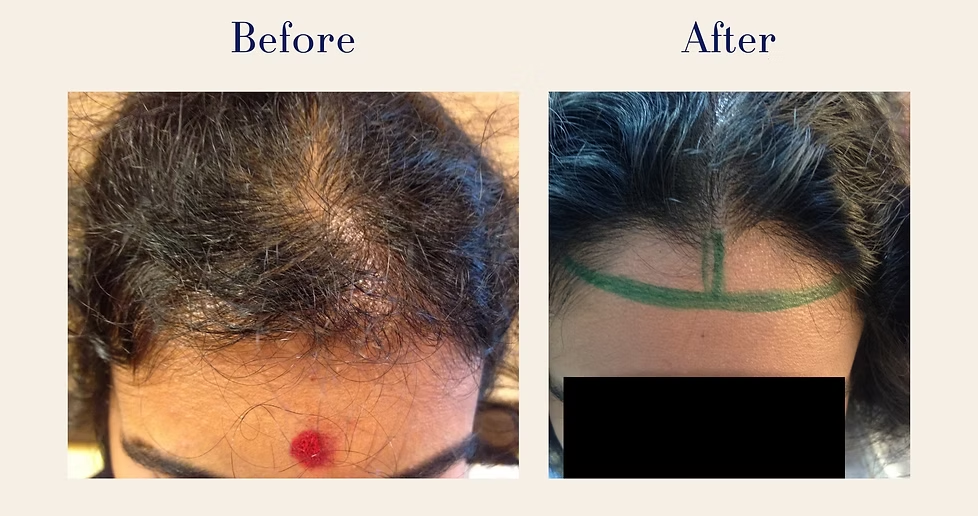
Because each follicle grows at its own pace, results look gradual and authentic — not “plugged-in.”

Factors that influence outcomes:

  • Surgeon’s skill and experience
  • Donor hair quality
  • After-care adherence
  • Scalp health and nutrition

Expected timeline:

Full cosmetic density is usually visible between 9 and 18 months.

Frequently Asked Questions

What is a hair transplant and how does it work?

A hair transplant is a hair restoration treatment where healthy hair follicles are moved from donor areas to thinning or bald areas. It is a permanent hair transplant solution when performed correctly.

What are the different types of hair transplantation treatment?

The most common methods are FUE hair transplant and FUT hair transplant. Both techniques are effective, and the choice depends on hair loss pattern, donor area quality, and individual goals.

Will my hair transplant look natural?

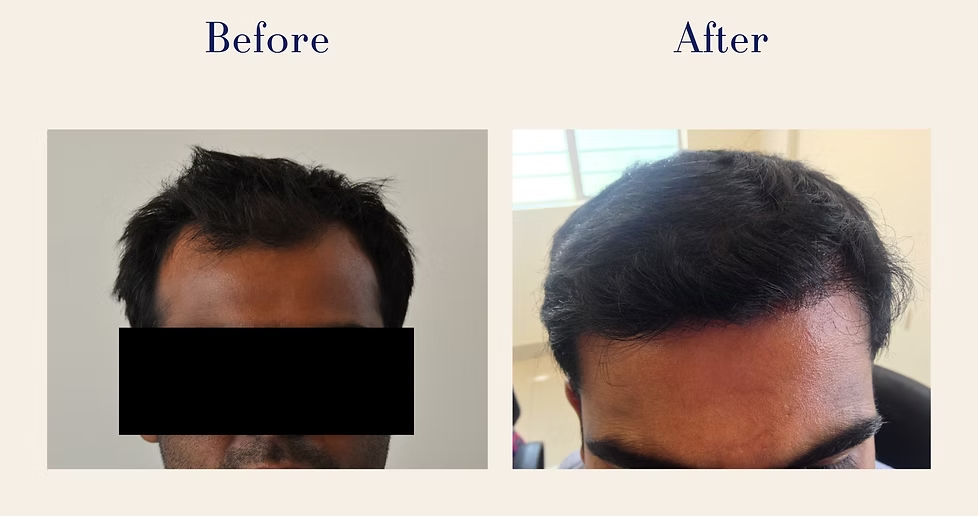
A natural looking hair transplant depends on proper hairline design, graft placement, and surgical expertise. When done by an experienced hair transplant doctor, results blend seamlessly with existing hair.

How much does a hair transplant cost?

Hair transplant cost varies based on the number of grafts required, technique used, and degree of hair loss. A consultation helps estimate an accurate treatment plan.

What is the recovery time after a hair transplant?

Hair transplant recovery time is usually short. Most patients resume daily activities within a few days, while complete healing takes a few weeks.

When will I see hair transplant results?

Hair transplant results timeline typically shows initial growth after 3–4 months, with visible density improvement by 6–9 months and final results by 12 months.

Is hair transplant suitable for severe hair fall or bald patches?

Yes, treatment for severe hair fall and bald patches treatment can include hair transplant or a combination of PRP therapy for hair loss and medical treatments, depending on hair loss stage.

What non-surgical hair loss treatments are available?

Options include PRP hair treatment, hair thinning treatment, hair regrowth treatment, and customised hair fall treatment plans.

Is PRP therapy effective for hair loss?

PRP therapy for hair loss helps strengthen existing hair, reduce hair fall, and improve thickness. PRP hair treatment in Bangalore is often used alongside medical treatments.

How do I choose the best hair transplant clinic in Bangalore?

Look for an experienced hair transplant doctor in Bangalore, transparent consultation, proven results, and comprehensive post-procedure care when selecting the best hair transplant clinic in Bangalore.