
10 Jul 2026
What Causes Vitiligo? Understanding the Science Behind White Patches
Introduction
Noticing white patches on skin for the first time raises immediate questions — and the most pressing one is why it’s happening. What causes vitiligo isn’t a simple answer; it involves the immune system, genetics, and in many cases external triggers acting on a very specific type of skin cell. As a depigmentation disorder affecting roughly 1 in 100 people globally, vitiligo is far more common than most people realise, yet it remains poorly understood outside specialist settings. Understanding the causes of vitiligo at a scientific level removes a great deal of the confusion around it and points toward the right treatment approach. At Dr. Vivekanand Hair & Vitiligo Clinic, every consultation begins here.
What Is Actually Happening Inside the Skin?
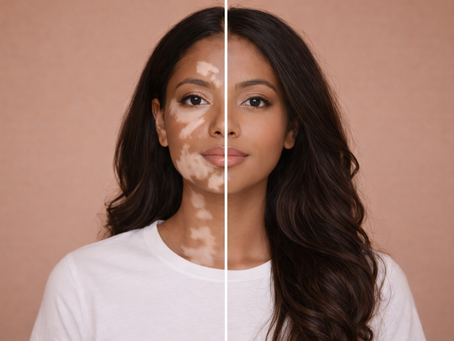
The colour of your skin is produced by cells called melanocytes, which sit in the deeper layers of the skin and synthesize a pigment called melanin. In vitiligo skin condition, these melanocytes stop functioning or are destroyed, and without melanin production, the affected areas lose colour progressively and turn white. NHS England confirms that in vitiligo, the immune system mistakenly attacks melanocytes, the cells that produce melanin, with this loss of skin pigment affecting approximately 1 in 100 people worldwide.
- Melanocytes in vitiligo are not dormant; in most cases they are actively targeted and eliminated
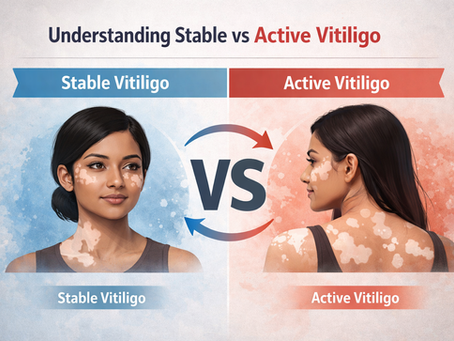
- The destruction is gradual, which is why patches tend to expand over time rather than appear all at once
- Vitiligo symptoms begin at the cellular level long before visible changes appear on the skin’s surface
- Melanin loss can affect hair follicles in the same area, causing the hair to turn white as well
The Autoimmune Root of Vitiligo
Autoimmune vitiligo is the most clinically significant and prevalent form of the condition, occurring when the immune system identifies melanocytes as a threat and systematically destroys them. The NHS confirms that the most common form, known as non-segmental vitiligo, is an autoimmune condition in which immune cells attack the very cells responsible for skin pigmentation. Melanocyte destruction in this context follows the same pattern as other autoimmune diseases, which explains why vitiligo frequently coexists with conditions such as thyroid disease, type 1 diabetes, and Addison’s disease.
- Antibodies that target melanocytes in afflicted skin regions are produced by the immune system.
- This autoimmune process explains why prolonged stress or illness frequently exacerbates vitiligo.
- Non-segmental vitiligo typically appears symmetrically, on both hands, both knees, or both sides of the face
- Having one autoimmune condition statistically raises the likelihood of developing another, including autoimmune vitiligo
Known Vitiligo Triggers and Genetic Factors
Genetic susceptibility coupled with a trigger that initiates the autoimmune process is frequently the cause of vitiligo in one individual but not another with the same family background. According to NHS clinical guidelines, up to 30% of cases have a family history of vitiligo, and the condition is closely associated with other autoimmune disorders, indicating a common genetic vulnerability. Identifying triggers is a useful aspect of clinical management because vitiligo triggers do not directly cause the condition; rather, they activate or accelerate it in those already predisposed.
|
Trigger type |
Examples | How it acts |
|
Physical trauma |
Cuts, sunburn, friction | Koebner phenomenon: vitiligo appears at the injury site |
|
Emotional stress |
Prolonged psychological stress |
Disrupts immune regulation, accelerating melanocyte loss |
| Chemical exposure | Industrial chemicals, hair dyes |
Direct toxic damage to melanocyte cells |
|
Oxidative stress |
UV radiation, pollutants |
Generates free radicals that impair melanocyte function |
|
Hormonal changes |
Pregnancy, thyroid imbalance |
Alters immune activity and skin cell behaviour |
Early Signs of Vitiligo and When to Act
Early signs of vitiligo are often subtle — a small pale patch that doesn’t tan like the surrounding skin, or a lighter area around the lips, hands, or eyes that gradually becomes more defined and loses colour completely. The vitiligo skin condition can begin at any age, but NHS Scotland’s clinical data indicates that roughly half of all cases appear before the age of 20, making early recognition particularly important. Early evaluation at Dr. Vivekanand Hair & Vitiligo Clinic includes autoimmune screening alongside a full skin assessment, since the depigmentation disorder rarely exists in isolation.
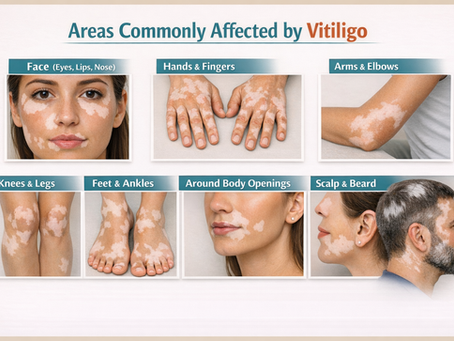
- Vitiligo most commonly first appears on the face, neck, hands, and around body openings including the mouth and eyes
- White patches on skin that are clearly defined, symmetrical, and free of scaling or itching are a strong early indicator
- Premature greying of scalp hair, eyelashes, or eyebrows can be an early signal before visible skin patches develop
- Starting treatment during the early phase gives the best chance of slowing further melanocyte destruction and stabilising existing patches
Conclusion
Causes of vitiligo are complex, but managing it doesn’t have to feel that way. Whether your patches are recent or long-standing, understanding the autoimmune, genetic, and environmental factors driving them is the foundation of any effective treatment plan. If you are looking for a vitiligo doctor in Bangalore who addresses the condition based on its root mechanism, a clinical evaluation is where that process begins.
Book a consultation at Dr. Vivekanand Hair & Vitiligo Clinic for evidence-based vitiligo treatment in Bangalore built around your specific skin profile, autoimmune history, and condition stage.
Frequently Asked Questions
- Why does vitiligo appear all of a sudden?
Usually, a trigger acting on a preexisting genetic predisposition is what causes vitiligo to appear suddenly. Even in a person who has not yet shown any obvious early symptoms of vitiligo, physical trauma, acute stress, severe sunburn, or hormonal changes can trigger the autoimmune process and start melanocyte destruction. - Is vitiligo genetic and can it run in families?
Yes, up to 30% of cases have a family history of vitiligo. Inheriting the genetic predisposition does not guarantee the vitiligo skin condition will develop, but it significantly raises the likelihood when vitiligo triggers are also present. - What is the link between autoimmune vitiligo and other health conditions?
Autoimmune vitiligo involves the immune system attacking melanocytes, a process shared with other autoimmune diseases. People with vitiligo have a higher statistical likelihood of thyroid disorders, type 1 diabetes, and related conditions. NHS guidelines recommend checking for associated autoimmune conditions at the time of a vitiligo diagnosis. - Can vitiligo spread without treatment?
Yes. White patches on the skincaused by vitiligo can progress, particularly whentriggerssuch as stress, UV exposure, or skin trauma persist. Early intervention slows progression and preserves more options. Consulting a vitiligo doctor in Bangalore at an early stage consistently leads to better long-term outcomes. - What vitiligo treatment is available in Bangalore?
Vitiligo treatment in Bangalore at Dr Vivekanand Hair & Vitiligo Clinic is based on the type of vitiligo, extent of loss of skin pigment, and associated autoimmune factors. Options range from topical therapies and phototherapy to surgical approaches for stable cases, each selected after a full clinical and diagnostic evaluation.